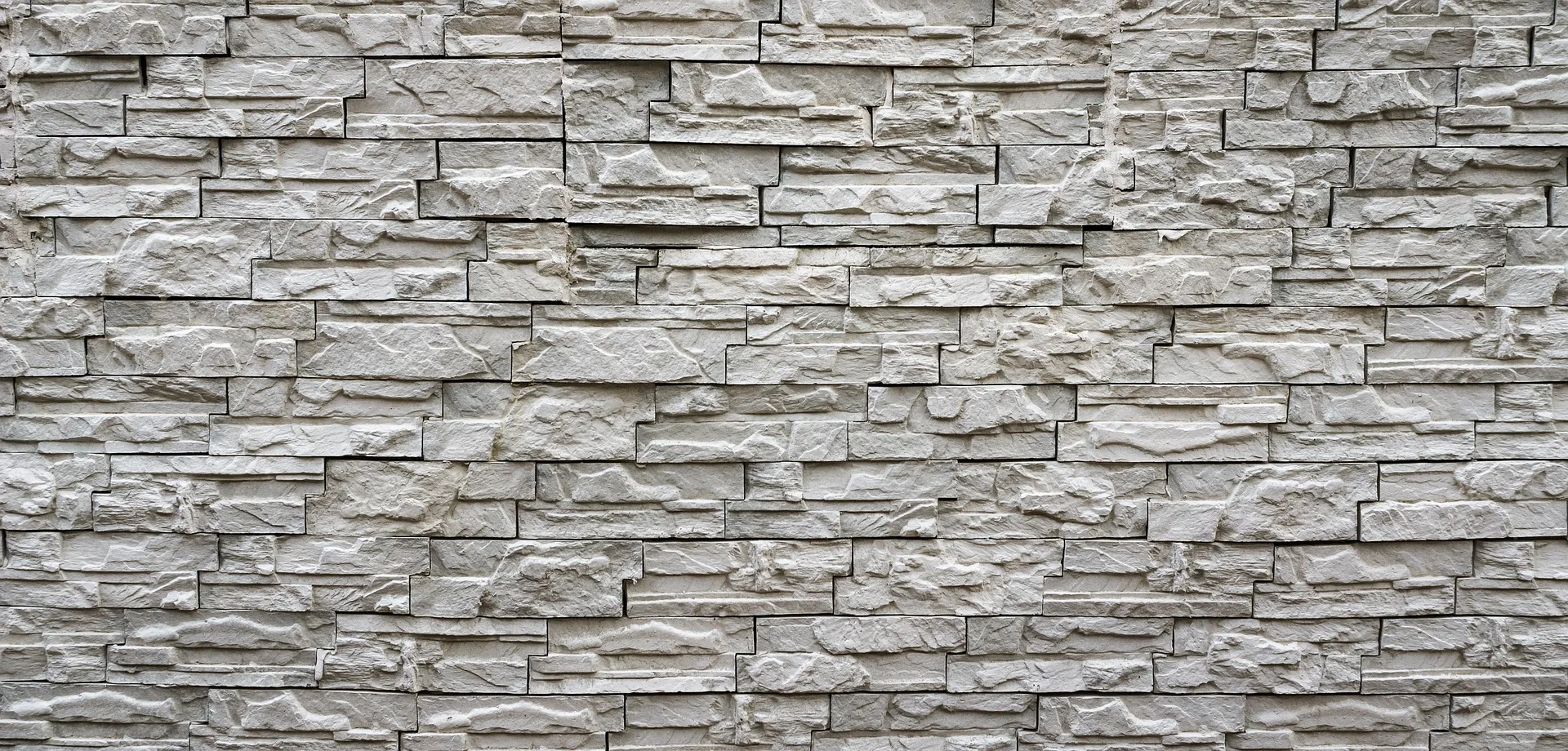
An acrylic layer is a film. Light reflects from it at a uniform depth across the entire surface, so the tone reads as a flat, even colour. Lime behaves differently: the carbonised layer is semi-transparent — a portion of light enters it by a few tenths of a millimetre, scatters across calcite crystals, and returns weakened. This is why a lime wall appears deeper, and its tone shifts with the angle of incoming light.
This has a practical consequence: lime cannot be approved by digital colour reference alone. We have seen projects where a tone was selected from a render, only to appear two steps cooler on the wall — not because the material was wrong, but because the room had northern light and a grey concrete wall opposite.
A sample must be viewed in the room where the material will live, and at the hour when that room is in use.
The second conclusion concerns the finish. Wax deepens the tone by roughly half a step and adds a soft sheen; a matte sealer leaves the tone as it is. Both choices are irreversible once dry, so they too must be tested on a sample — never on the wall.